
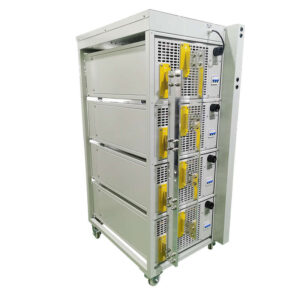
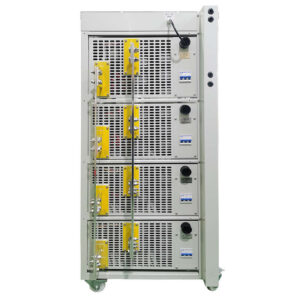
High-Current Rectifier Introduction
High-current rectifiers are core power devices in power electronic systems, enabling the efficient conversion of AC power to DC power. Primarily designed for industrial-grade high-power applications, they are indispensable key equipment in modern industrial electrification, green energy utilization, and high-end manufacturing, thanks to their high current carrying capacity, stable conversion efficiency, and reliable operation. Their core function is to convert the AC power input from the power grid into stable DC power required by the load, utilizing the unidirectional conductivity of power semiconductor devices. They also possess integrated capabilities such as voltage regulation, power quality optimization, and safety protection, and can accommodate current demands ranging from thousands of amperes to hundreds of thousands of amperes, with voltage coverage from hundreds of volts to thousands of volts, meeting the customized needs of various high-power applications.1. Core Technical Principles and Structural Components
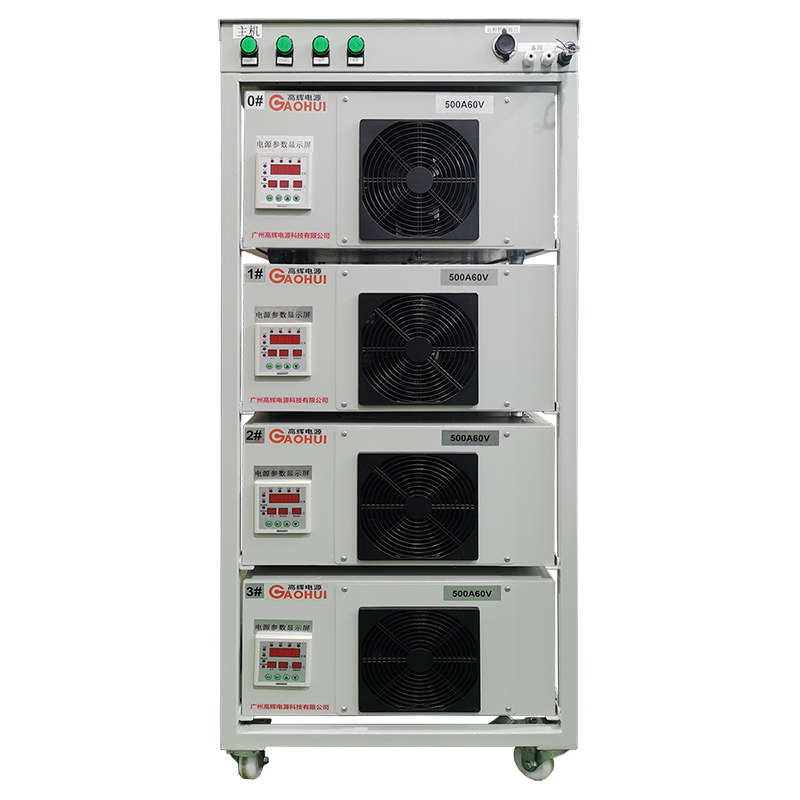
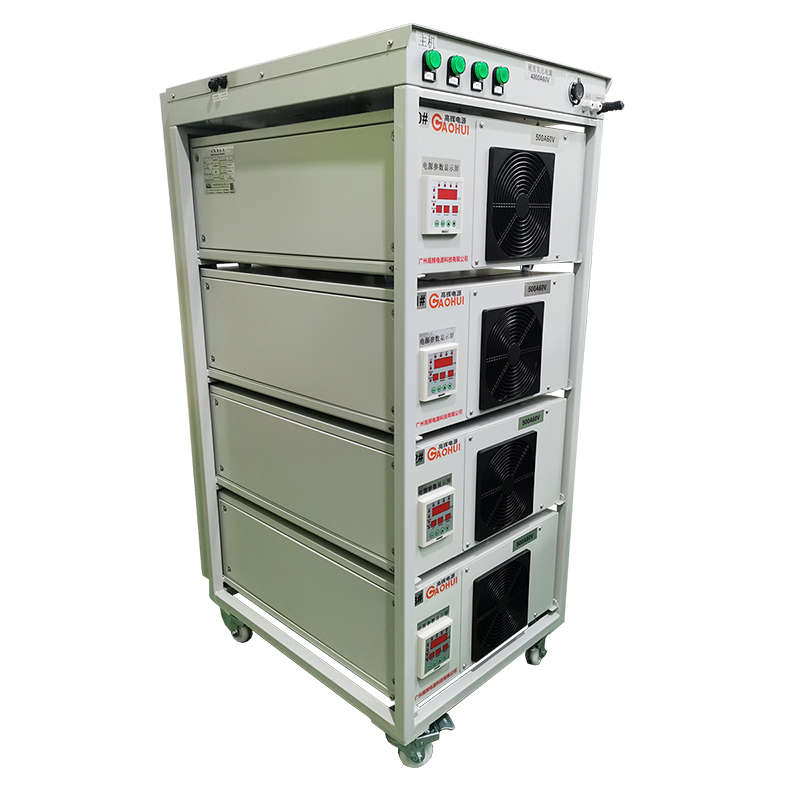
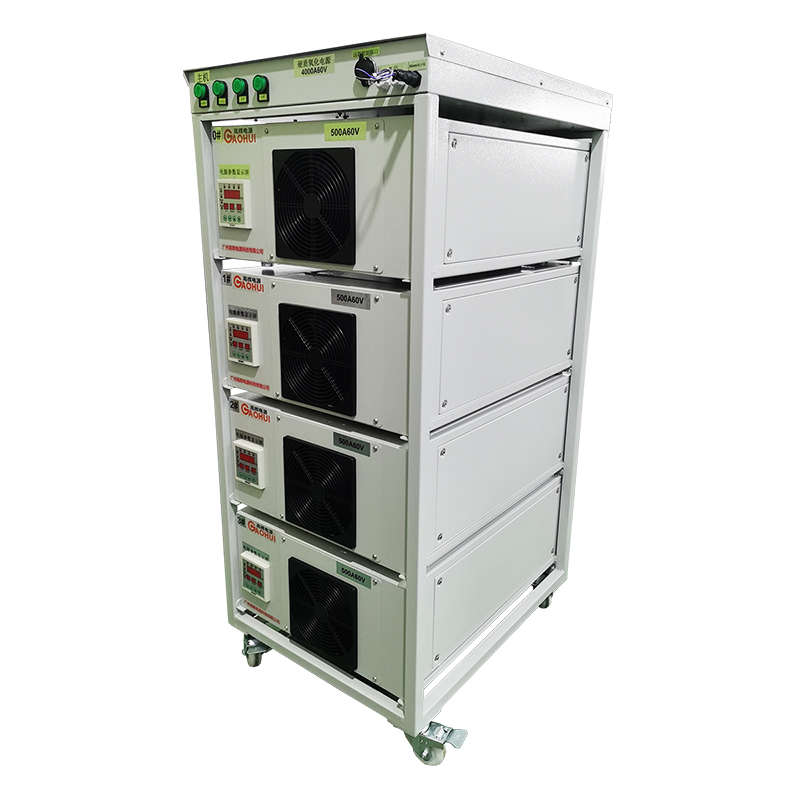
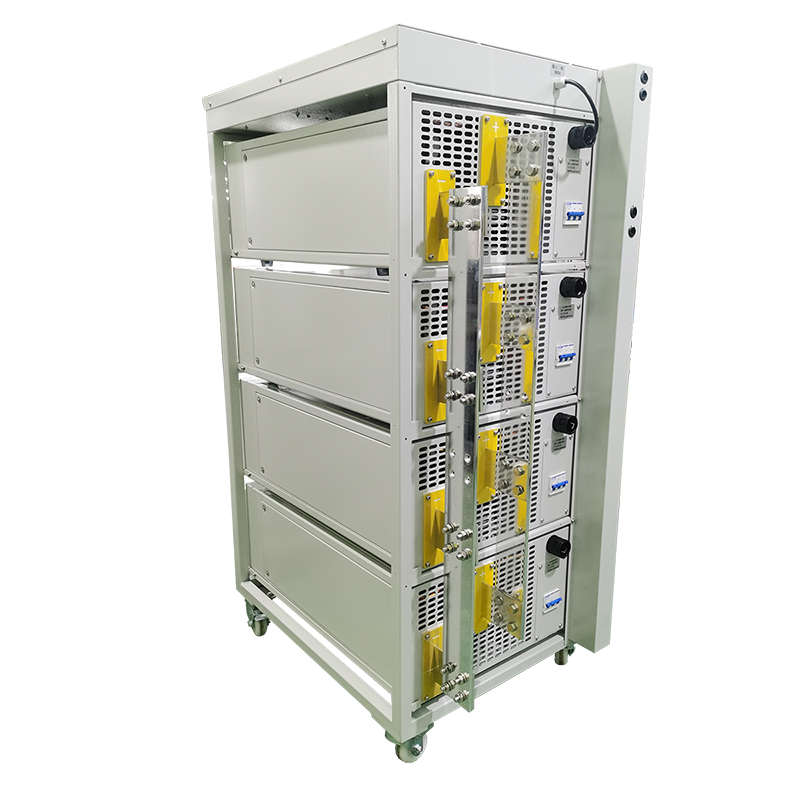
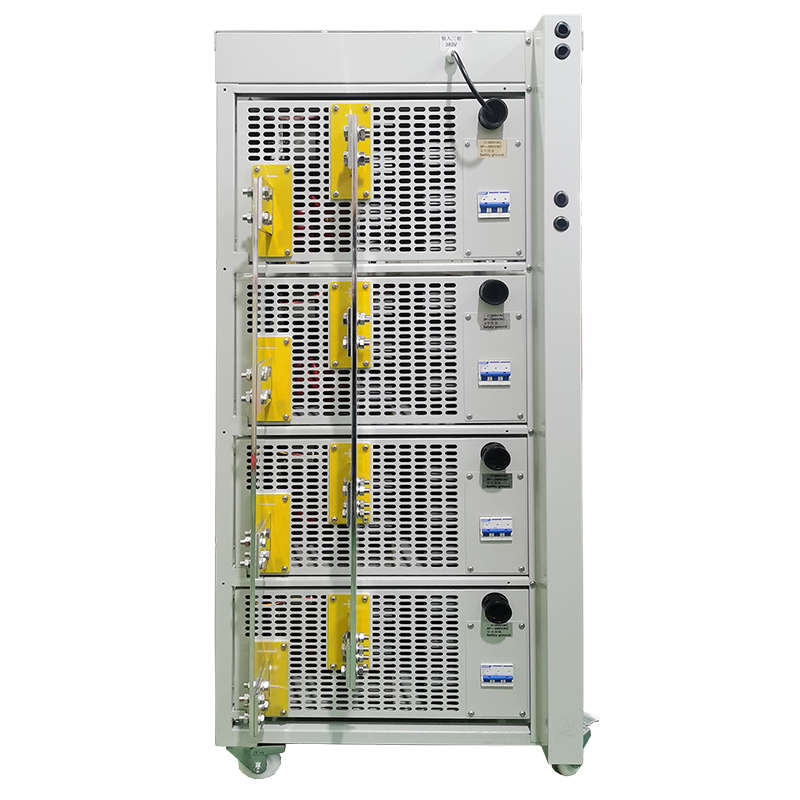
The operation of high-current rectifiers is based on the unidirectional conduction characteristics of power semiconductor devices, achieving energy conversion through appropriate circuit topology and control strategies. Modern products commonly utilize high-performance power devices such as SCRs, IGBTs, and SiC MOSFETs, combined with multi-pulse rectification, active filtering, and digital control technologies to significantly improve power factor, reduce harmonic distortion, and enhance dynamic response capabilities. Their typical structure includes four core modules: 1、Power Conversion Module: Composed of a semiconductor device array forming a bridge or multi-pulse topology, this is the core component for achieving rectification. It employs full diffusion process, flat-panel ceramic tube packaging, and a central amplified gate structure. Some high-end products feature double-sided cooling designs, effectively improving current carrying capacity and heat dissipation efficiency. 2、 Thermal Management System: Due to significant device losses under high-current conditions, an efficient cooling solution is required. Common designs include air cooling, liquid cooling, and hybrid cooling systems. High-end products utilize aluminum profile frames with built-in deionized water or ethylene glycol mixed liquid cooling channels, providing double-sided cooling for semiconductor devices and fuses. The thermal resistance (junction to heatsink) can be as low as 0.022℃/W, ensuring that the junction temperature is controlled within a safe range. 3、 Control and Protection Module: A digital control chip is used to achieve rectification phase adjustment and precise voltage control, equipped with both coarse and fine-tuning mechanisms. It supports load tap switching, thyristor phase angle control, and other functions. It also integrates multiple protection circuits, including overcurrent, overvoltage, surge suppression, and arc protection. Some products feature fast current-limiting fuses and fault identification modules, enabling precise isolation of faulty components and ensuring redundant system operation. 4、 Auxiliary Function Module: Modern high-end models integrate remote monitoring, fault diagnosis, energy efficiency management, and digital twin interfaces. Edge computing units enable real-time acquisition of operating parameters and lifespan prediction. Some products support modular expansion and parallel operation to meet the needs of higher current applications.2.Main Application Areas (N+1 Parallel Operation Scenarios)
High-current rectifiers (N+1 parallel operation) leverage modular parallel design and redundancy capabilities to enable flexible capacity expansion and enhanced operational reliability. They are widely adapted to high-power industrial scenarios with extremely high demands for power supply continuity and current regulation accuracy. Their stable parallel control and fault redundancy features effectively support uninterrupted operation of critical industrial processes. Core application areas include: 1、Electrolytic Metallurgy Industry: Large-scale metallurgical processes such as electrolytic aluminum and electrolytic copper require continuous power supply with ultra-high currents. The N+1 parallel operation mode can easily achieve current outputs of hundreds of thousands of amperes through multi-unit parallel connection. Simultaneously, redundant units can seamlessly switch over in case of main unit failure, avoiding significant losses caused by production downtime, and meeting the requirements of high current density, long-term continuous operation, and corrosion resistance. 2、Industrial Drives and Power Supply: In large AC/DC motor control, data center core power supply, and large industrial plant backup power systems, N+1 parallel rectifiers can adapt to different power requirements through modular expansion. Redundant units ensure uninterrupted power supply to critical equipment, preventing production stoppages or data loss due to power failures. 3、Special Equipment Field: Special equipment such as ship power systems, large welding machines, and high-end excitation systems have stringent requirements for power adaptability and reliability. N+1 parallel rectifiers can provide customized DC power, optimize power quality through parallel control, and the redundant design meets the continuous operation requirements under harsh working conditions.3.N+1 Parallel Rectifier Core Technology Features and Advantages
Compared to ordinary single-unit high-current rectifiers, the N+1 parallel rectifier boasts significant advantages in reliability, flexibility, and scalability thanks to its modular design, redundant control, and collaborative operation technology. Its core features are as follows: 1、High Efficiency and Collaborative Parallel Operation: Each unit utilizes wide-bandgap semiconductor materials (SiC/GaN) and an optimized topology, achieving a conversion efficiency of over 98%. Combined with active filtering technology, the power factor approaches 1. The parallel system incorporates a current sharing control algorithm to ensure precise current distribution among units, avoiding circulating current losses. The overall energy efficiency is superior to traditional single-unit expansion solutions, significantly reducing grid harmonic pollution. 2、Redundant Reliability and Seamless Fault Switching: The design of N working units + 1 redundant unit enables automatic fault detection, isolation, and switching. When any working unit experiences overcurrent, overvoltage, or other faults, the redundant unit seamlessly takes over in milliseconds, ensuring stable output current and voltage. The mean time between failures (MTBF) is increased by more than 50% compared to single-unit systems, meeting the uninterrupted power supply requirements of critical applications. 3、Flexible Expansion and Adaptability to Diverse Needs: The modular architecture supports adding or removing working units as needed, easily achieving flexible expansion from thousands of amperes to hundreds of thousands of amperes without requiring complete equipment replacement. It is compatible with 6-pulse/12-pulse rectifier configurations, allowing for coarse and fine voltage adjustment. It is adaptable to various installation environments, including indoor, outdoor, and offshore, with customizable protection levels. 4、Intelligent Control and Convenient Operation and Maintenance: Integrated digital collaborative control and remote monitoring systems utilize AI adaptive algorithms to adjust the parameters of each parallel unit in real time, accurately responding to sudden load changes and grid impedance variations. It supports real-time monitoring of parallel unit status, fault diagnosis, and lifespan prediction. Combined with a digital twin platform, it enables preventive maintenance. Individual units can be independently maintained without affecting the overall system operation, reducing maintenance costs.4. Development Trends
With the acceleration of industrial electrification and the green energy transition, high-current rectifiers are evolving towards higher efficiency, flexibility, intelligence, and modularity: Wide-bandgap semiconductor devices (SiC/GaN) will be widely adopted, further increasing switching frequency and power density, driving the development of smaller and lighter equipment to meet the needs of mobile and containerized power systems. Advanced intelligent control technologies, including AI-based life prediction, adaptive filtering, and fault diagnosis algorithms, will be widely applied, enabling autonomous operation of rectifiers. For emerging applications such as green hydrogen production and new energy storage, integrated bidirectional rectifier/inverter devices are becoming a research and development focus, supporting bidirectional energy flow and multi-energy coordinated dispatch. Simultaneously, standardized interfaces and modular designs are continuously improving, enhancing product adaptability across industries and scalability. The localization rate of core power modules continues to increase, further reducing costs and ensuring supply chain security. Furthermore, electromagnetic compatibility optimization and low-carbon design are becoming key priorities, contributing to the green and reliable operation of new power systems.Honors and Qualifications
Since its inception, the company has embraced a market-oriented approach, with technological innovation at the core of its development. Through continuous advancements in research and technology, the company has earned numerous certifications, including software copyrights, software product certifications, patents, and CE certification. Moreover, the company has been recognized as a national high-tech enterprise, ranked among China’s top ten power supply brands, and designated as a technology-based SME. The company’s innovative, independently developed products have gained widespread market acceptance. As a result, these domestic solutions are gradually replacing imported alternatives, reflecting the company’s increasing competitiveness and technological self-reliance.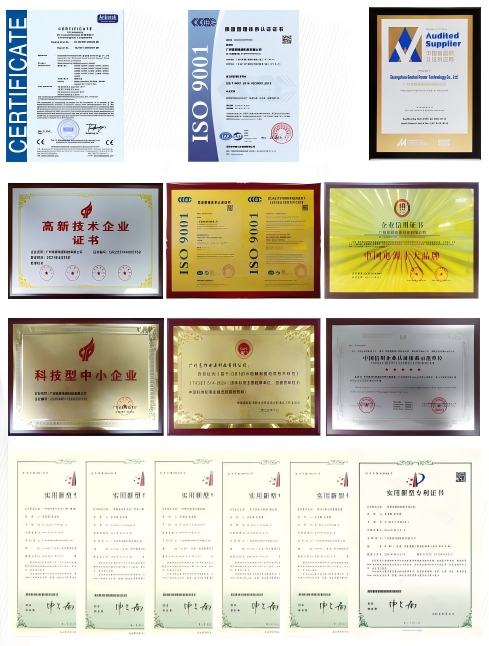
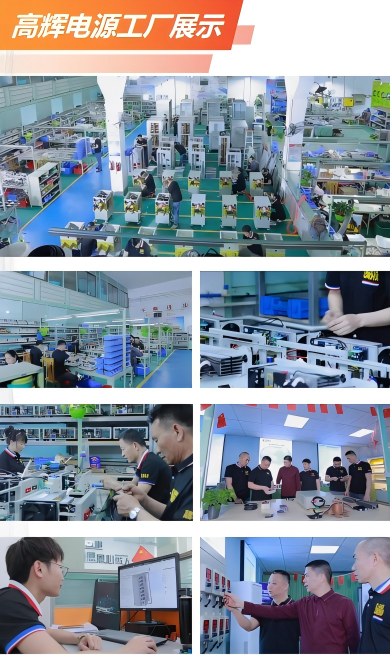
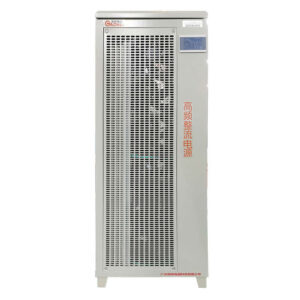
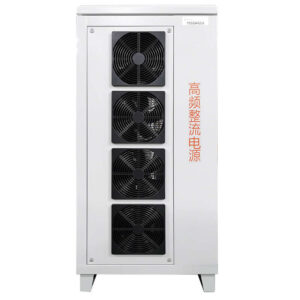
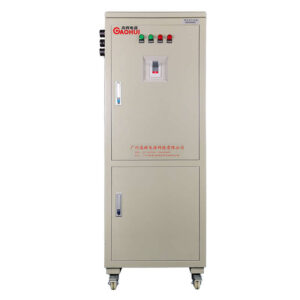
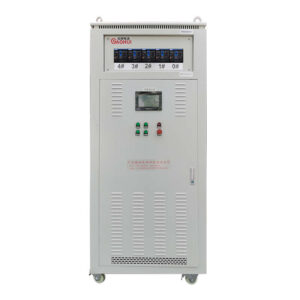
Gao Hui Power Factory Showcase
Reviews
There are no reviews yet.