
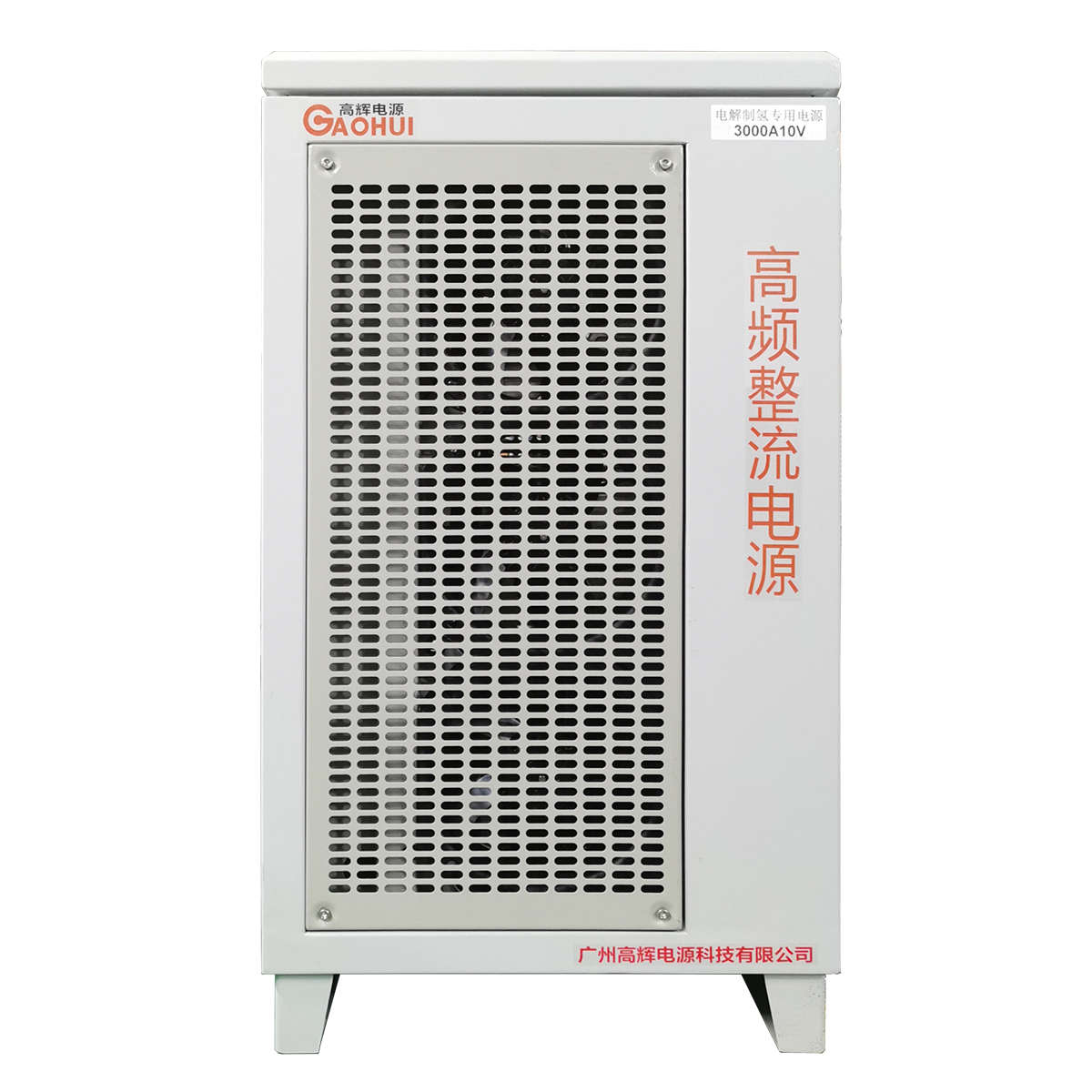
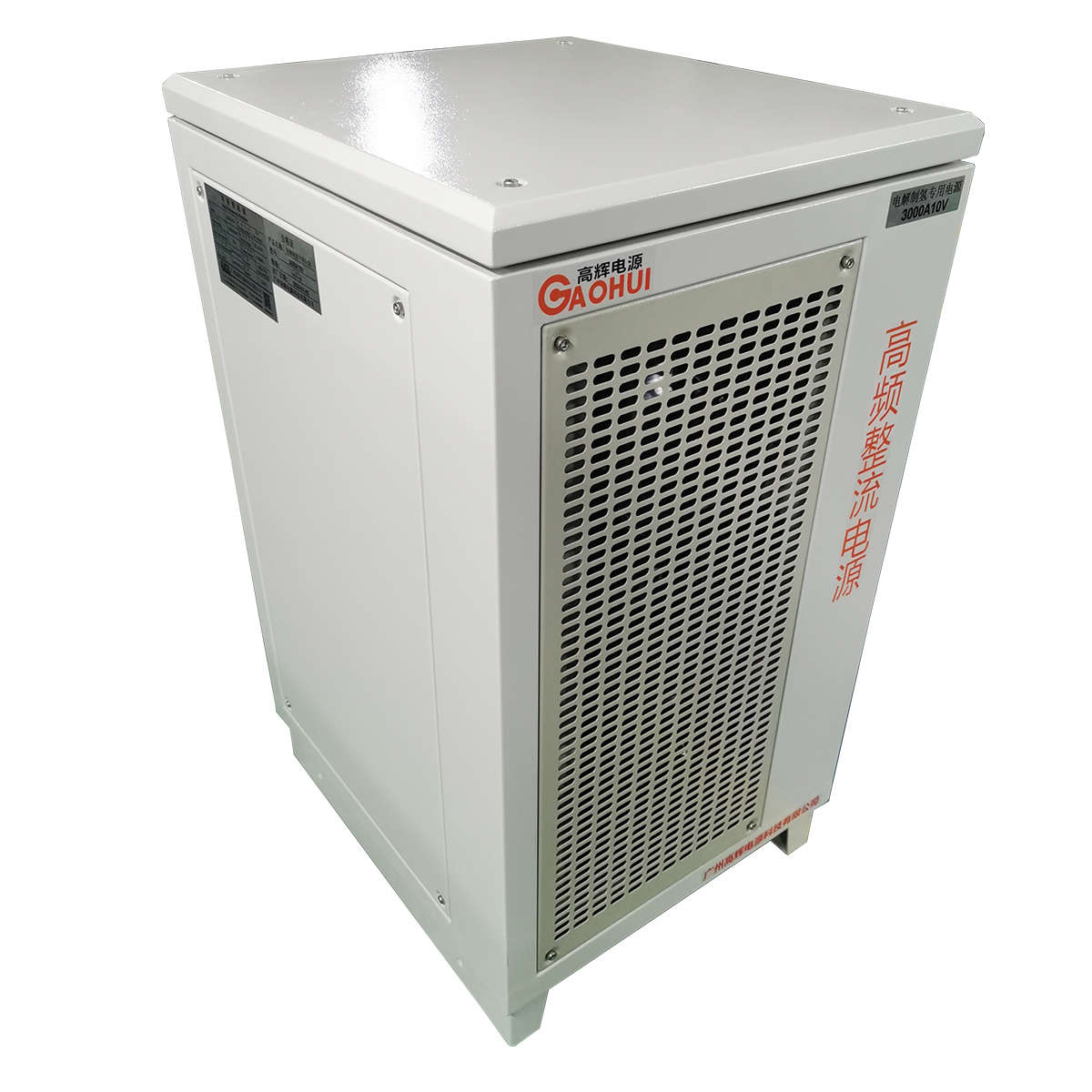
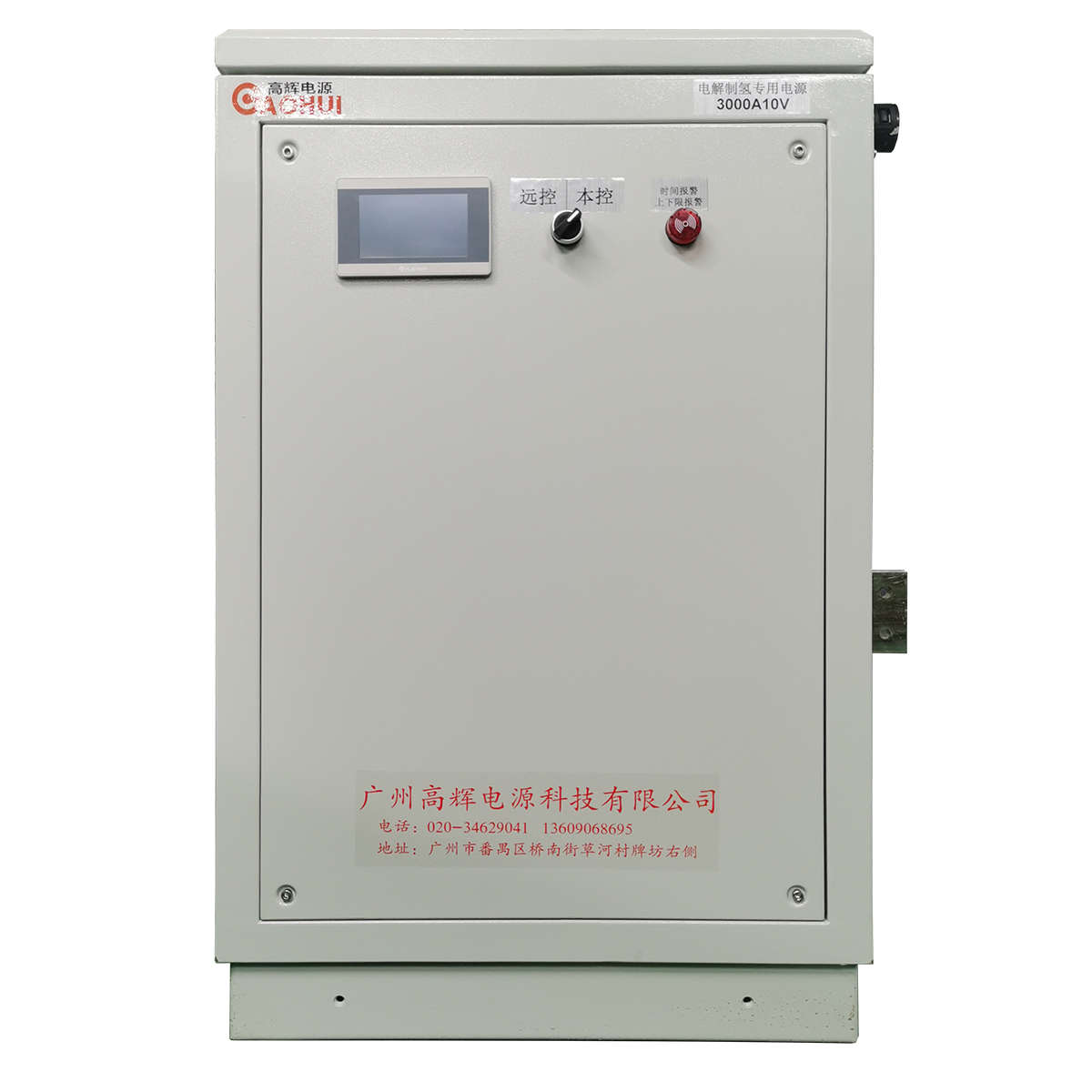
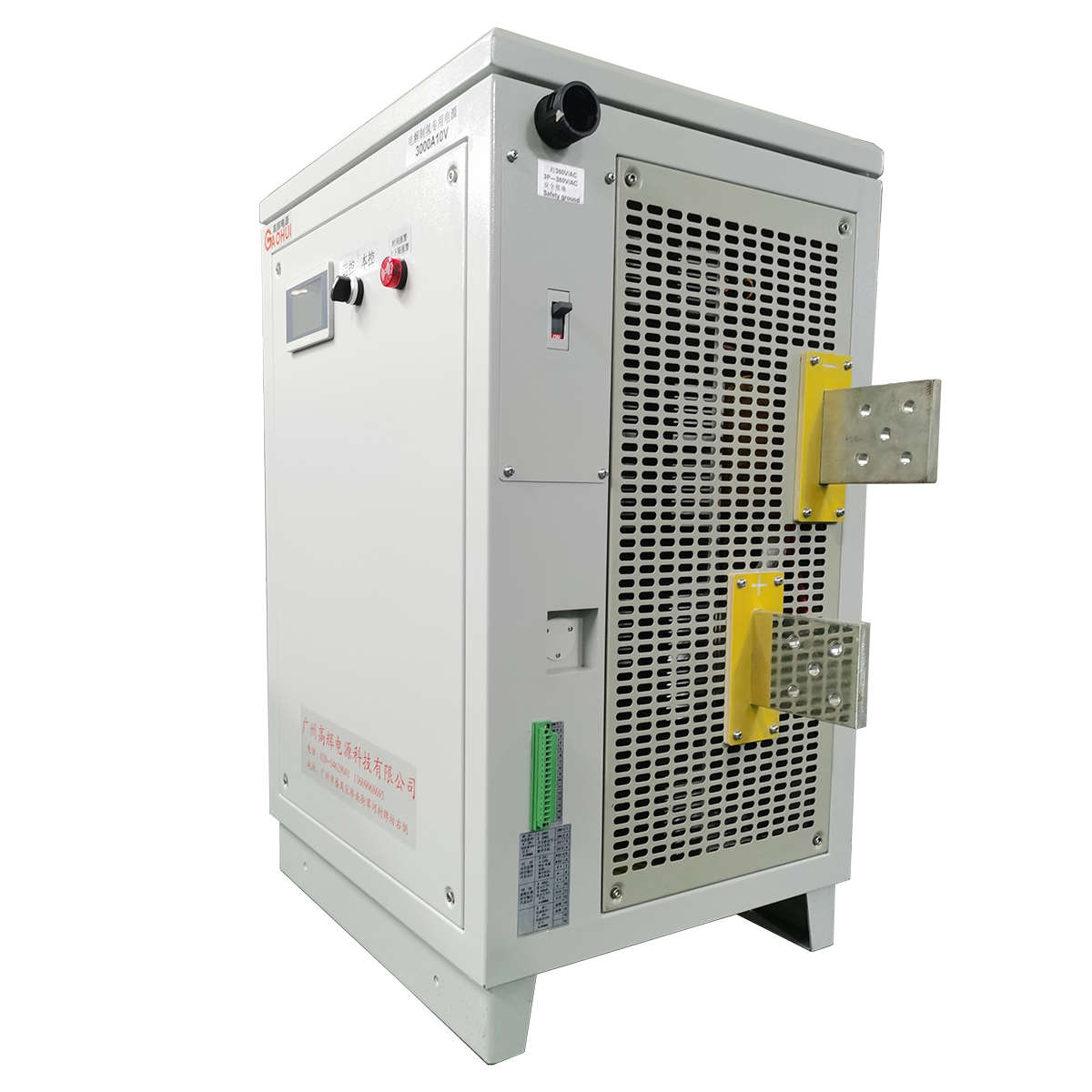
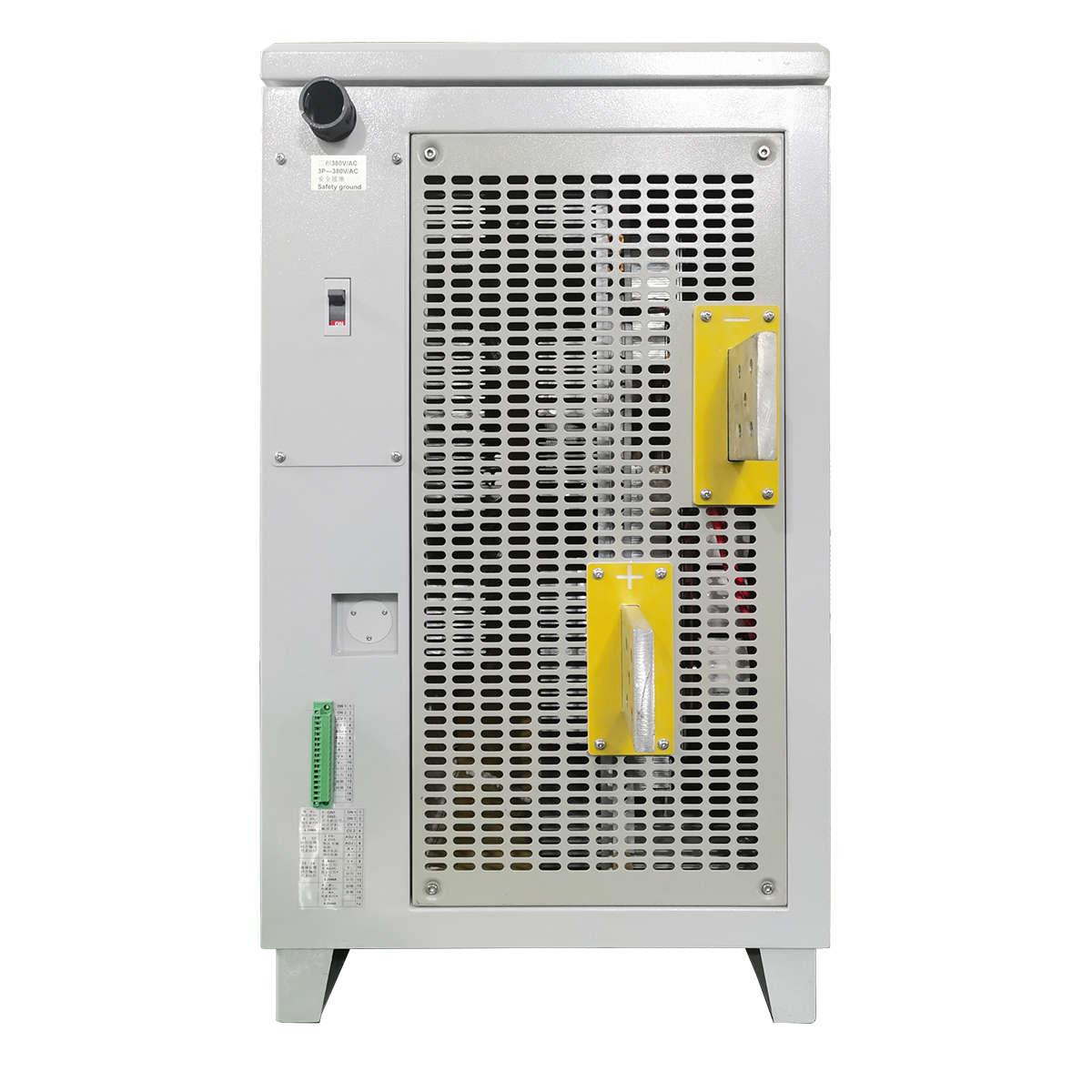
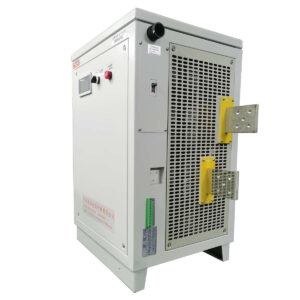
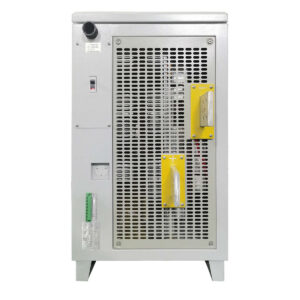
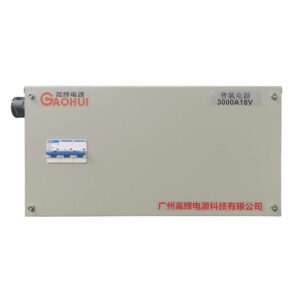
The 10V 3000A Hydrogen Electrolysis Rectifier is a unidirectional DC power supply rated at 10 V and 3000 A for hydrogen electrolysis projects. The published rating defines the available DC envelope; it does not replace process calculations or establish the normal operating setpoint.
Published Rating and Electrical Boundary
| Rated DC output | 10 V DC, 3000 A DC |
|---|---|
| Application | hydrogen electrolysis |
| Regulation | Constant-current or constant-voltage main mode, selected for the confirmed process |
| AC input | AC 380 V or 415 V. Final phase, frequency and site conditions must be confirmed. |
This product follows Gao Hui’s low-voltage AC input, high-frequency switching and isolation, one-way DC architecture. It is not presented as an external DC-input converter, AC-output source, bidirectional or regenerative supply, or medium/high-voltage direct-input system.
Application and Selection
This page applies to DC supply to a defined electrolyzer stack for hydrogen production Current and voltage must be based on electrolyzer technology, cell count, series/parallel arrangement and the manufacturer’s polarization curve. Use the full stack operating window, including startup, rated production and turndown; hydrogen flow alone cannot determine the rectifier rating.
Alkaline, PEM, AEM and solid-oxide electrolysis have different electrical boundaries and must not be treated as universal.
Working-point focus: the nameplate rating is an available ceiling, not a recommended operating recipe. The normal working current and voltage must come from the validated process window and actual load.
Information Required for Selection
- electrolyzer technology
- stack manufacturer and model
- cell count and connection
- polarization curve
- rated voltage and current
- allowed ripple limit
- startup, shutdown and turndown
- duty, cooling and plant interface
Also provide the site AC voltage, phase and frequency; cable distance; daily duty; ambient conditions; cabinet location; required local or remote control; and any interface or interlock list. Gao Hui engineering can then check the practical working range against the published rating.
Configuration Boundary
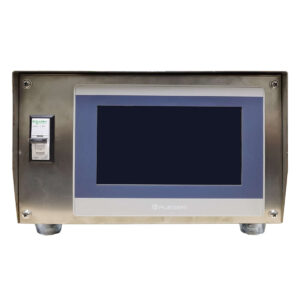
The confirmed standard scope is limited to the published DC rating and stated process use. Cooling method, enclosure, control interface, ramp, timer, ampere-hour control, pulse waveform, polarity reversal, communications, ripple target and redundancy are project-specific. They are supplied only when written into the confirmed configuration and must not be inferred from a legacy title, image or category.
Frequently Asked Questions
Is the rated current the normal process current?
No. The rating is the product ceiling; the working setpoint must follow the validated process window and actual load.
Can the process name determine the final voltage?
No. Loaded voltage depends on chemistry or load behavior, spacing, contacts, conductors and the production arrangement.
Are pulse, reversal and communications included?
Only when they are written into the confirmed configuration. They are not assumed from the product title.
Review related options in Hydrogen Electrolysis Rectifiers, or contact Gao Hui with the selection data above.
Reviews
There are no reviews yet.