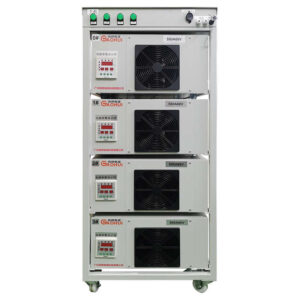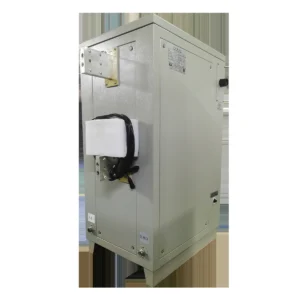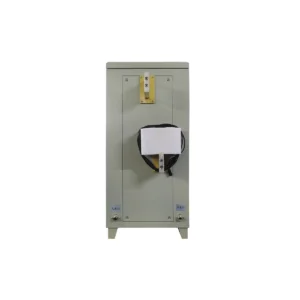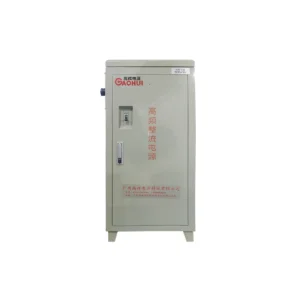
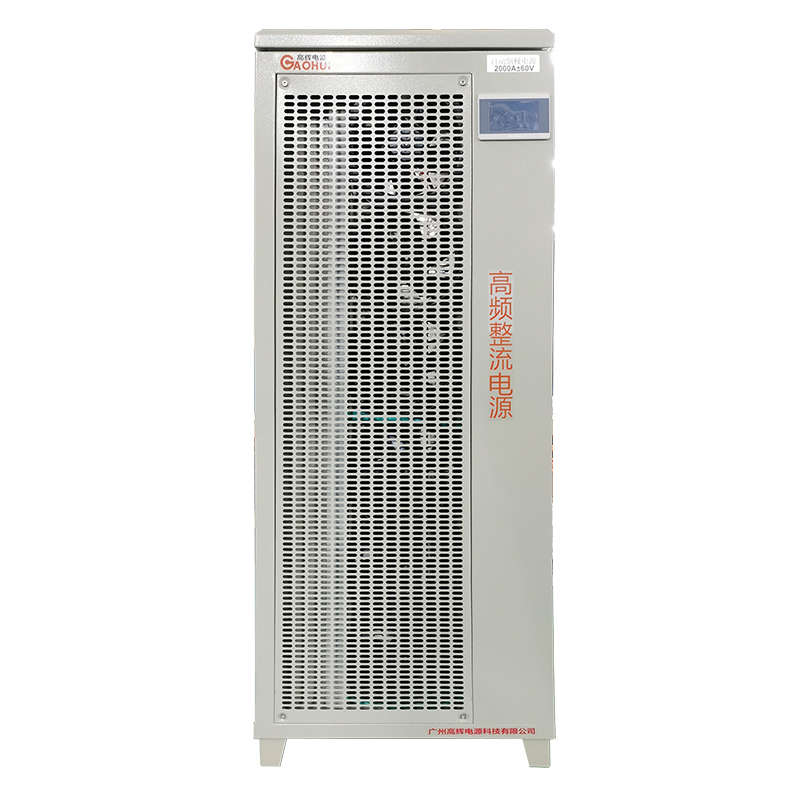
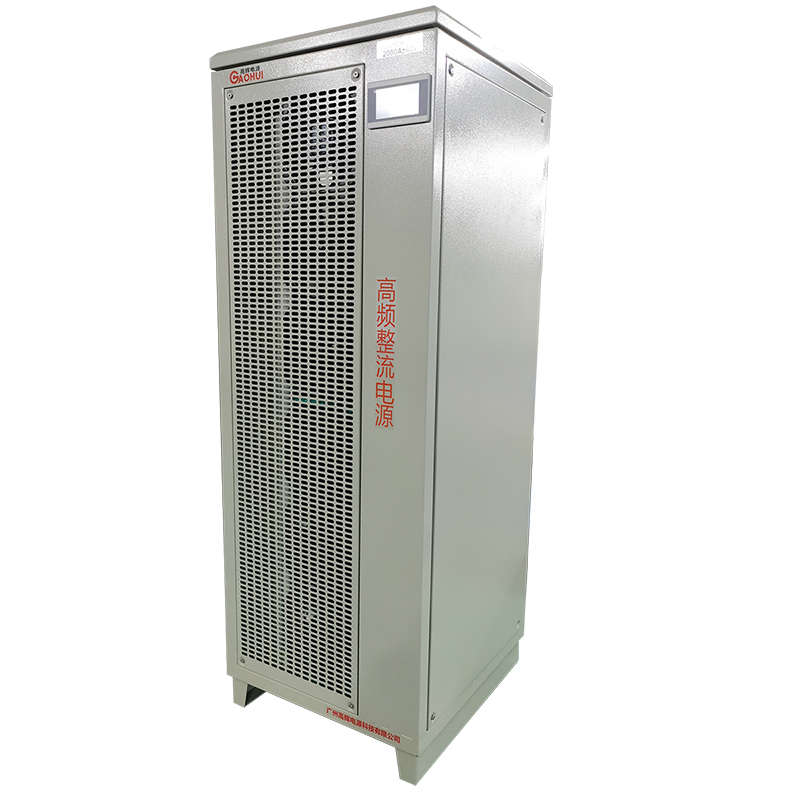
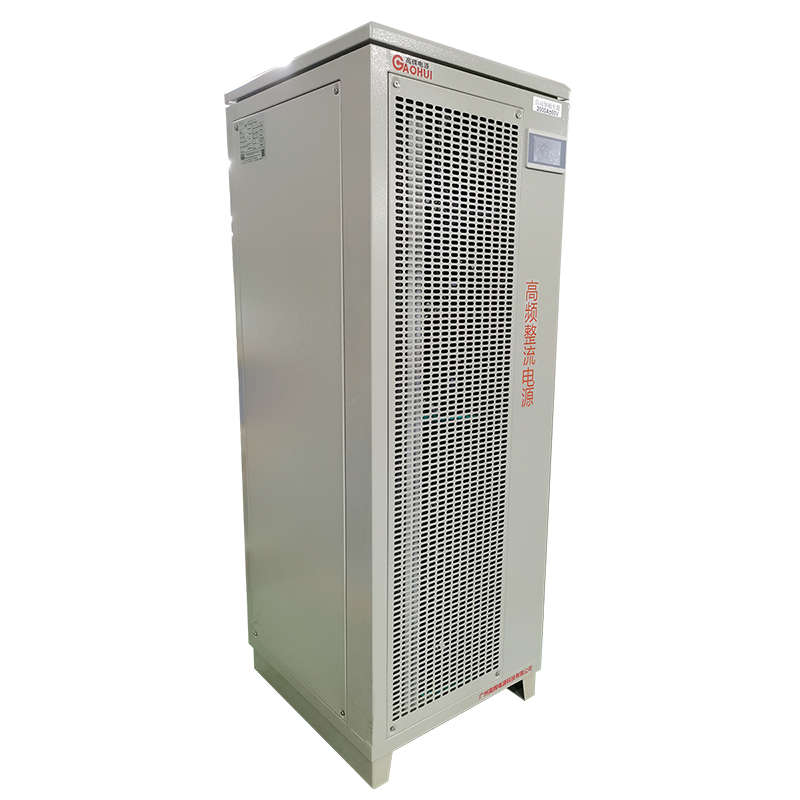
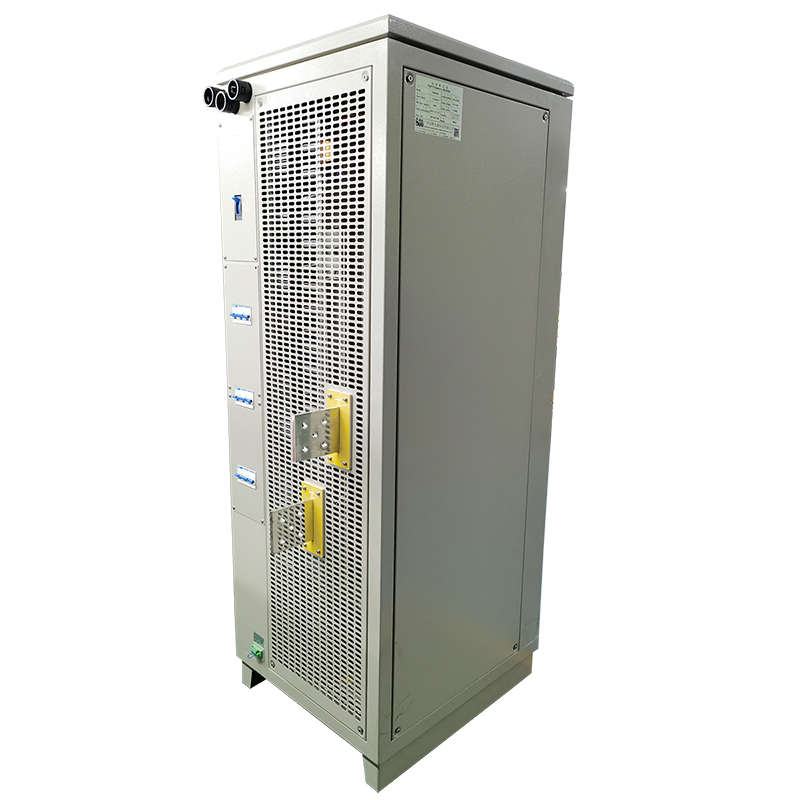
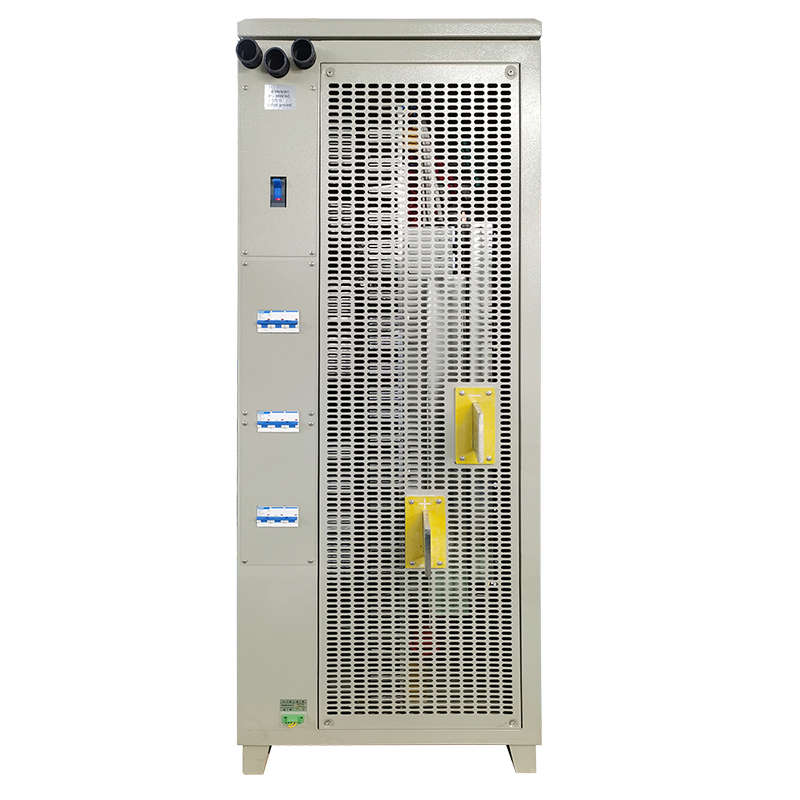
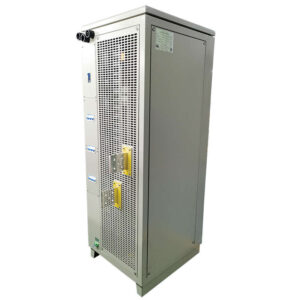
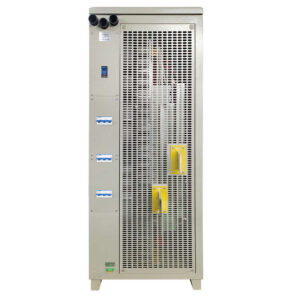
Introduction to High-Current Rectifiers
High-current rectifiers are core power devices in power electronic systems, enabling the efficient conversion of AC power to DC power. Primarily designed for industrial-grade high-power applications, they have become indispensable key equipment in modern industrial electrification, green energy utilization, and high-end manufacturing due to their strong current carrying capacity, stable conversion efficiency, and reliable operation. Their core function is to convert the AC power input from the grid into stable DC power required by the load through the unidirectional conductivity of power semiconductor devices. They also possess comprehensive capabilities such as voltage regulation, power quality optimization, and safety protection, and can adapt to current demands ranging from thousands of amperes to hundreds of thousands of amperes, with voltage coverage from hundreds of volts to thousands of volts, meeting the customized needs of various high-power scenarios.
1. Core Technical Principles and Structural Components
The operation of high-current rectifiers is based on the unidirectional conduction characteristics of power semiconductor devices, achieving energy conversion through appropriate circuit topology and control strategies. Modern products commonly utilize high-performance power devices such as SCRs, IGBTs, and SiC MOSFETs, combined with multi-pulse rectification, active filtering, and digital control technologies to significantly improve power factor, reduce harmonic distortion, and enhance dynamic response capabilities. Their typical structure includes four core modules: 1、Power Conversion Module: Composed of a semiconductor device array forming a bridge or multi-pulse topology, this is the core component for achieving rectification. It employs full diffusion process, flat-panel ceramic tube packaging, and a central amplified gate structure. Some high-end products feature double-sided cooling designs, effectively improving current carrying capacity and heat dissipation efficiency. 2、Thermal Management System: Due to significant device losses under high-current conditions, an efficient cooling solution is required. Common designs include air cooling, liquid cooling, and hybrid cooling systems. High-end products utilize aluminum profile frames with built-in deionized water or ethylene glycol mixed liquid cooling channels, providing double-sided cooling for semiconductor devices and fuses. The thermal resistance (junction to heatsink) can be as low as 0.022℃/W, ensuring that the junction temperature is controlled within a safe range. 3、Control and Protection Module: A digital control chip is used to achieve rectification phase adjustment and precise voltage control, equipped with both coarse and fine-tuning mechanisms. It supports load tap switching, thyristor phase angle control, and other functions. It also integrates multiple protection circuits, including overcurrent, overvoltage, surge suppression, and arc protection. Some products feature fast current-limiting fuses and fault identification modules, enabling precise isolation of faulty components and ensuring redundant system operation. 4、Auxiliary Function Module: Modern high-end models integrate remote monitoring, fault diagnosis, energy efficiency management, and digital twin interfaces. Edge computing units enable real-time acquisition of operating parameters and lifespan prediction. Some products support modular expansion and parallel operation to meet the needs of higher current applications.
2.Main Application Areas
High-current rectifiers are widely used in various high-power industrial scenarios, supporting the continuous operation of critical industrial processes with their stable and reliable power conversion capabilities. Core application areas include: 1、Electrolytic Metallurgy Industry: Used in processes such as aluminum electrolysis, copper electrolysis, and electroplating, providing stable high-current DC power to electrolytic cells. They are core power equipment in metallurgical production and must meet requirements for high current density, long-term continuous operation, and corrosion resistance. 2、Rail Transit Sector: Supplying power to the traction systems of rail transit vehicles such as subways and high-speed trains. Rectifiers convert high-voltage AC power from the grid into the DC power required by traction motors, requiring fast dynamic response and resistance to grid fluctuations. 3、New Energy and Energy Storage Fields: Adapted to grid-connected systems for renewable energy sources such as solar and wind power, and the charging and discharging processes of green hydrogen production and large-scale energy storage power stations. Some high-end products have bidirectional energy flow capabilities, supporting integrated rectification/inversion operation. 4、Industrial Drives and Power Supply: Used in large AC/DC motor control, high-power converters, active/passive inverter systems, and backup power systems for data centers and large industrial plants, ensuring stable power supply to critical equipment. 5、Special Equipment Sector: Applied in welding machines, excitation systems, and ship power systems, providing customized DC power for special equipment, requiring adaptation to harsh working conditions and high reliability.
3. Technical Features and Advantages
Compared to ordinary rectifiers, high-current rectifiers have significant advantages in technical design and performance: 1、High Efficiency and Energy Saving: Using wide-bandgap semiconductor materials (SiC/GaN) and optimized topological structures, reducing switching losses and thermal losses. Some products have conversion efficiencies exceeding 98%, and with active filtering technology, the power factor is close to 1, significantly reducing harmonic pollution to the power grid. 2、Stable and Reliable: Through designs such as double-sided cooling, nickel-plated contact terminals, and plasma protection, the heat dissipation efficiency and resistance to arcing and surges are improved. The problem of lifespan shortening by 50% for every 10°C increase in junction temperature is effectively mitigated, with some products achieving over 100,000 hours of fault-free operation. – Flexible Adaptation: Supports 6-pulse/12-pulse rectifier configurations, enabling coarse and fine voltage adjustment. The modular architecture facilitates expansion and maintenance, adapting to various installation environments including indoor, outdoor, and marine settings. Protection levels can be upgraded as needed. 3、Intelligent and Controllable: Integrates digital control and remote monitoring functions. AI adaptive algorithms are used to adjust rectifier parameters in real time, responding to sudden load changes and grid impedance variations. Combined with a digital twin platform, it enables predictive maintenance and energy efficiency optimization.
Honors and Qualifications
Since its inception, the company has adhered to a market-oriented approach, with technological innovation as the core of its development. Through continuous innovation and upgrading, and by improving its scientific research and technology, it has successively obtained software copyright, software product, patent certificates, and CE certification, and has been recognized as a high-tech enterprise, one of China’s top ten power supply brands, and a science and technology-based SME. Simultaneously, the company’s domestically developed and innovative products have gradually replaced imported products.

Gao Hui Power Factory Showcase


Reviews
There are no reviews yet.