
High-Current Hard Chrome Power for Modular Systems
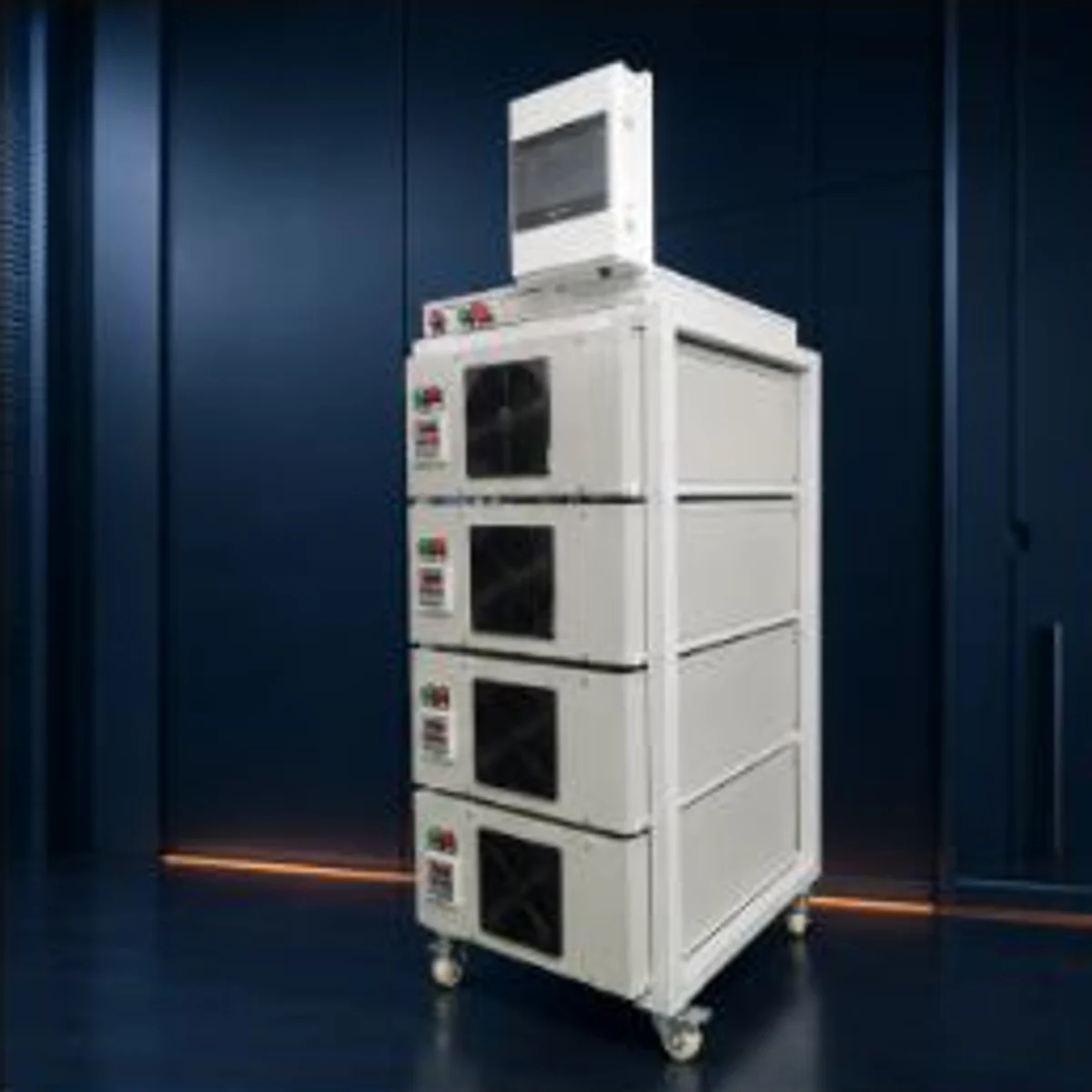
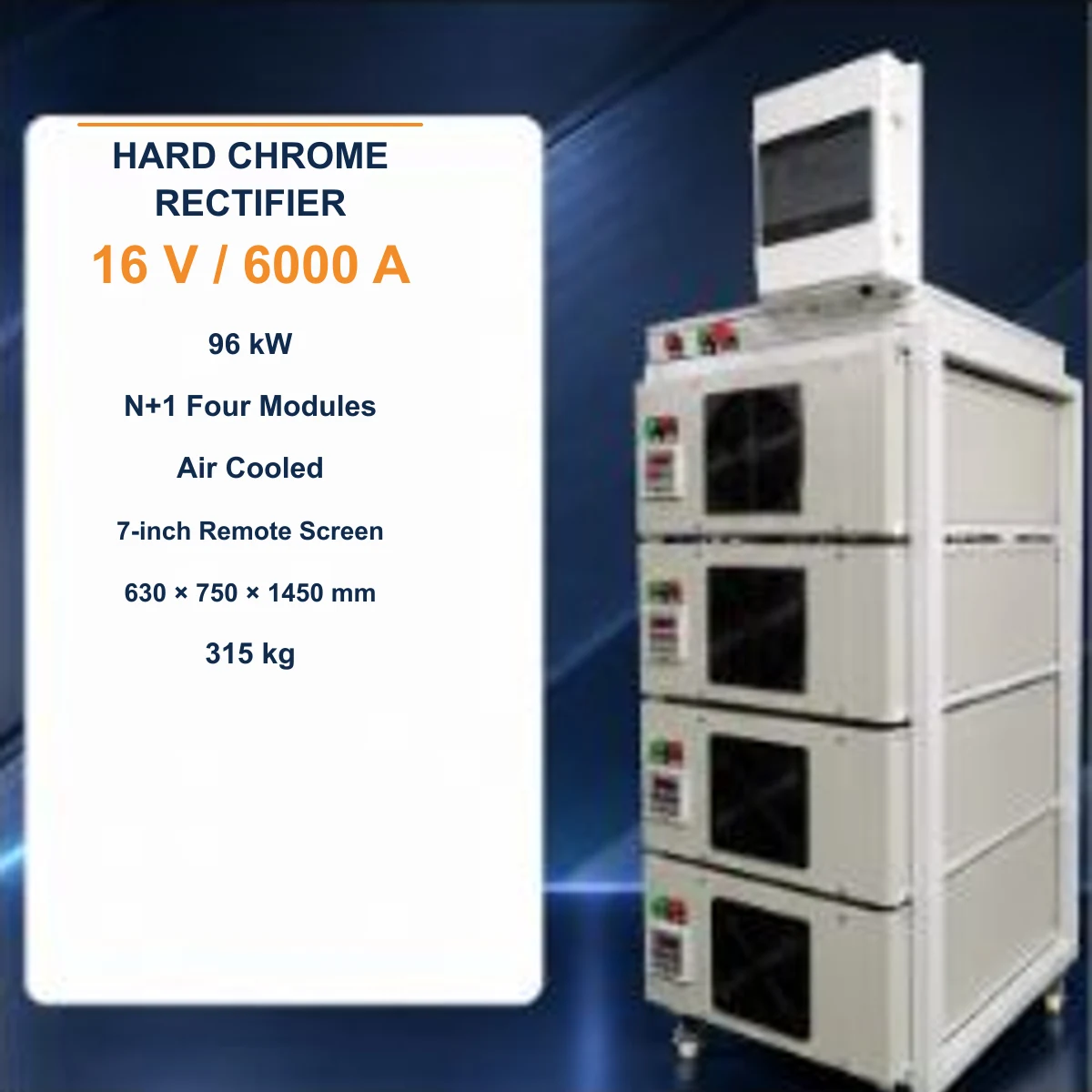
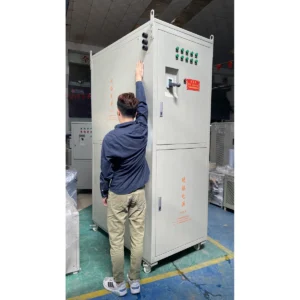
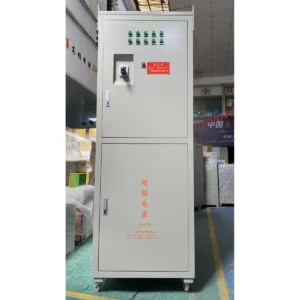
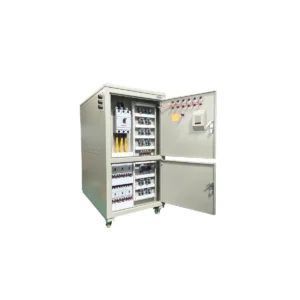
This 16V 6000A hard chrome rectifier is a four-module N+1 air-cooled system for engineering chromium plating loads. Its 96 kW DC output envelope supports high-current work while the modular layout and 7-inch remote operator interface provide a practical basis for centralized operation.
The 6000A rating is the available maximum, not the automatic process setpoint. Actual current is selected from the total plated area and the current density approved for the chromium bath, while working voltage depends on the complete loaded circuit.
Key Specifications
| Item | Value |
|---|---|
| Rated DC output | 0–16 V, 0–6000 A |
| Rated output power | 96 kW |
| System layout | Four-module N+1 configuration |
| Cooling | Air cooled |
| Operator interface | 7-inch remote control screen |
| Reference enclosure | W630 × D750 × H1450 mm |
| Reference weight | 315 kg |
| AC input direction | 380 V or 415 V, selected for the site |
Why This Configuration Fits Hard Chrome Loads
- The 16 V output is aligned with the higher loaded-voltage direction commonly evaluated for engineering chromium rather than decorative chromium.
- Four power modules form one high-current output system. Module loading, redundancy behavior and service strategy are specified for the project.
- Air cooling avoids a plant-water circuit, but the cabinet still requires clear airflow paths and suitable ambient conditions.
- The remote screen separates routine operation from the power cabinet location.
Current and Voltage Selection
Initial current is calculated as effective plated area multiplied by the process current density. Include every surface energized at the same time, including local repair areas, internal surfaces and auxiliary-anode zones when they are part of the plating load. Use the current-density window supplied for the actual bath, temperature, thickness target and part geometry.
Voltage cannot be selected from current density alone. It is affected by bath conductivity, anode-to-work distance, fixture contacts, busbars, cables and the highest loaded condition. For an existing line, the most useful reference is the highest stable operating voltage under maximum production loading.
Installation and Adjacent Rating Decisions
Choose 6000A when the calculated maximum load and operating margin fit inside this output envelope. A lower rating may be suitable for smaller simultaneous area; a higher modular system may be required when the maximum loaded current exceeds 6000A or when the operating strategy calls for additional capacity.
Confirm cabinet access, intake and exhaust clearance, ambient temperature, corrosive mist control, busbar distance and the planned duty cycle before final configuration. Remote-screen cable routing and the preferred operator position should also be included in the layout.
Customization
DC rating, AC input, cabinet arrangement, cooling direction, remote operation and sequencing can be specified around the plating line. Reversing, timing, ramping, data connection or special programs are available only when their required signals and operating sequence are defined for the project.
Information Needed for a Quotation
- Hard chrome bath type, part material and plating objective
- Maximum simultaneous plated area and approved current density
- Normal and maximum loaded DC voltage and current
- Part geometry, auxiliary anodes, fixtures and busbar distance
- Continuous or batch duty, ambient conditions and available AC supply
- Required operator controls, alarms, interlocks and operating sequence
Frequently Asked Questions
Does N+1 guarantee automatic operation after any module fault?
N+1 describes the modular system structure. The allowable reduced-load condition, isolation method, alarm response and changeover logic must be defined for the actual system.
Is 6000A the normal hard chrome operating current?
No. It is the available rating. The process setpoint is calculated from the energized surface area and the current density approved for the bath and part.
What determines whether air cooling is suitable?
Continuous load, ambient temperature, airflow clearance, dust and corrosive mist all matter. Provide the installation environment so the cabinet ventilation arrangement can be checked.
Explore more electroplating rectifiers or send the operating data for a quotation.
Reviews
There are no reviews yet.