
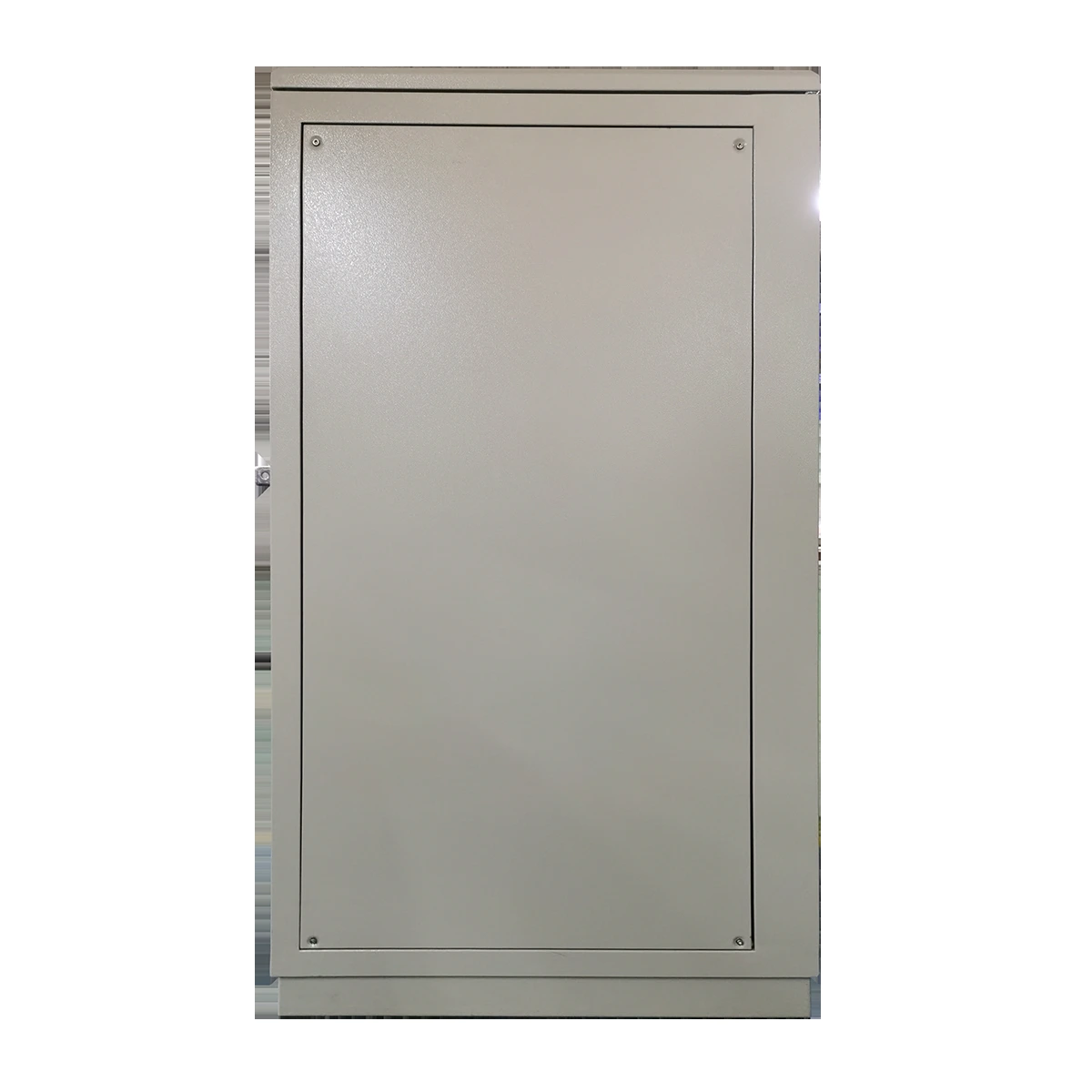
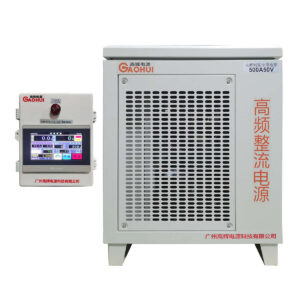
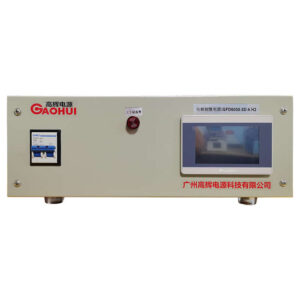
The 30V 5000A hydrogen electrolysis rectifier supplies high-current DC for an electrolyzer project after the stack voltage and current have been defined. Hydrogen production rate alone is not enough to select a rectifier; the electrolyzer manufacturer’s electrical limits remain the primary design input.
Published Rating
| Rated DC output | 30 V, 5000 A |
|---|---|
| Primary application | Hydrogen electrolysis |
| AC input for quotation | Specify 380 V or 415 V AC and local frequency. Final configuration requires project confirmation. |
| Main regulation mode | Constant-current or constant-voltage main mode, selected for the process. Final control configuration requires confirmation. |
| Cooling and enclosure | Selected from duty cycle, ambient temperature, installation environment and available cooling conditions. |
Application Fit
Alkaline, PEM, AEM and solid-oxide electrolysis use different stack structures, operating conditions and dynamic requirements. The rectifier must be matched to the selected electrolyzer technology rather than described as universal.
Current depends on active electrode area and allowed current density. Voltage depends on cell count, the series and parallel arrangement, operating point, temperature and connection losses. Use the electrolyzer polarization curve to verify the complete operating window, including startup, rated production and turndown.
Data Required for Selection
- Identify the electrolyzer technology and stack manufacturer.
- Provide cell count, series/parallel arrangement, rated stack voltage and current.
- Provide the polarization curve, permitted current range and allowed ripple at the stack terminals.
- State hydrogen production target, operating pressure, startup/shutdown sequence and expected turndown.
- Describe grid or renewable input, duty, ambient conditions, cooling resources and required plant interface.
Configuration Boundary
This page confirms the published DC rating and application only. Cooling method, enclosure grade, control interface, ramp profile, timer, ampere-hour control, pulse operation, polarity reversal, communication protocol and any special ripple limit are optional project items only when confirmed in writing. They are not included by default.
Frequently Asked Questions
Can 5000 A be selected from hydrogen flow alone?
No. Faraday-based estimates are useful, but final selection requires stack efficiency, current density, cell configuration and the manufacturer’s polarization data.
Is this rectifier suitable for every electrolyzer technology?
No. Alkaline, PEM, AEM and solid-oxide systems have different electrical and operating boundaries.
What electrical document is most useful?
The stack polarization curve and the allowed voltage, current and ripple limits provide the strongest basis for rectifier selection.
See the complete hydrogen electrolysis rectifier range, or send the process data for a rectifier selection review.
Reviews
There are no reviews yet.