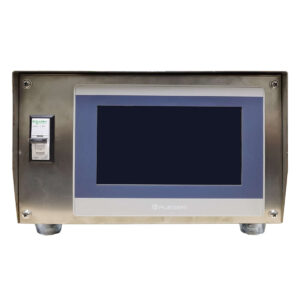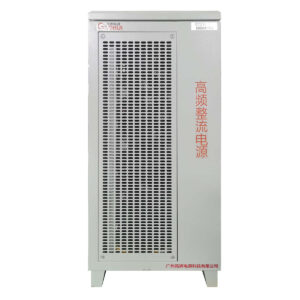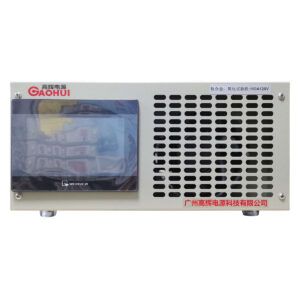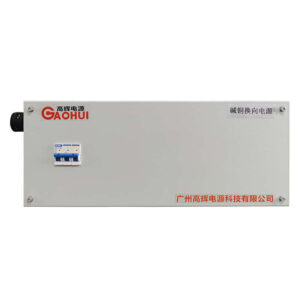
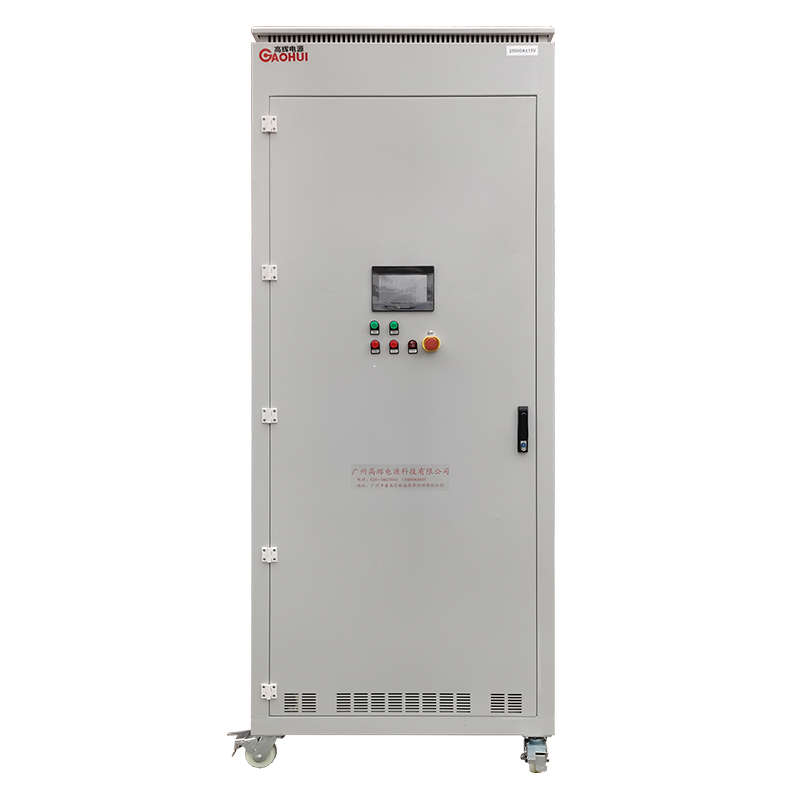
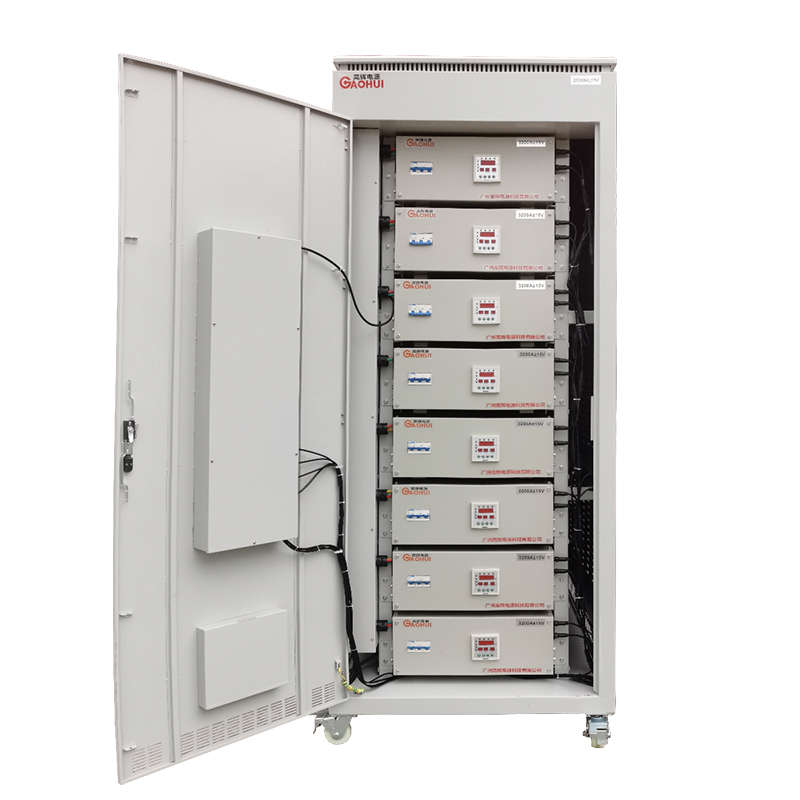
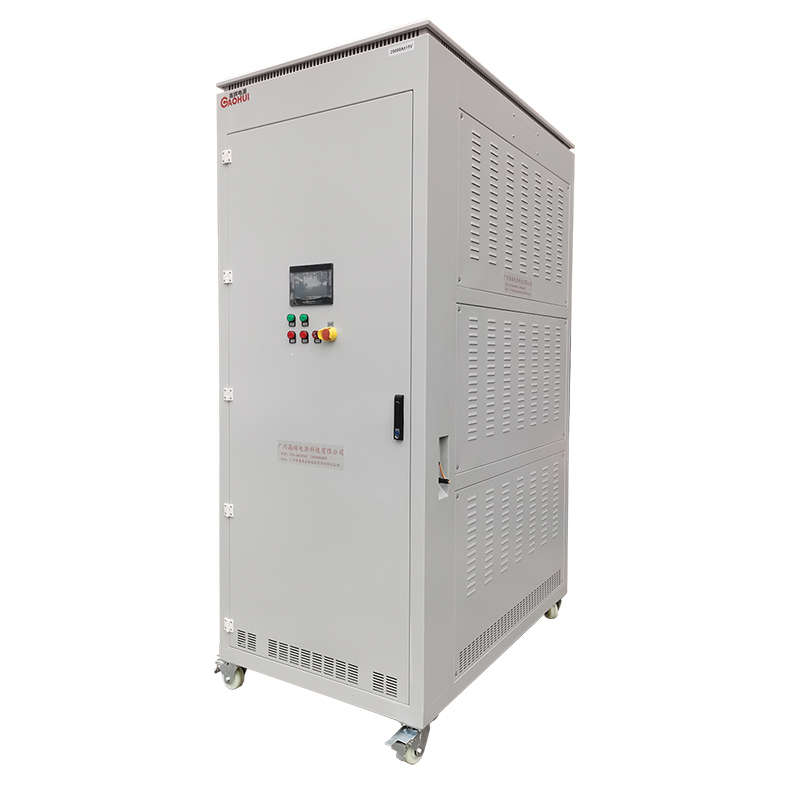
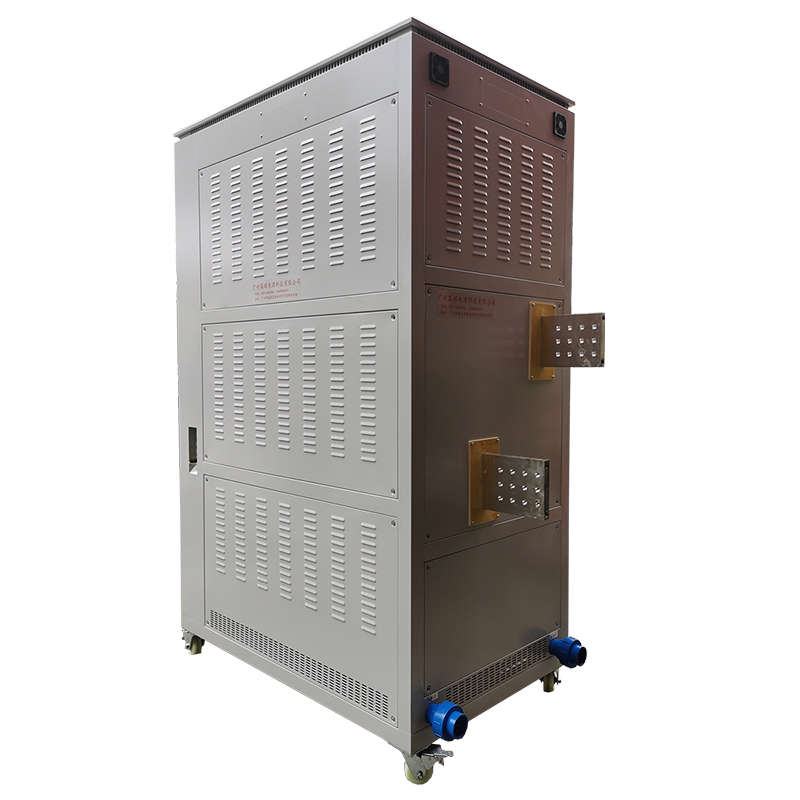
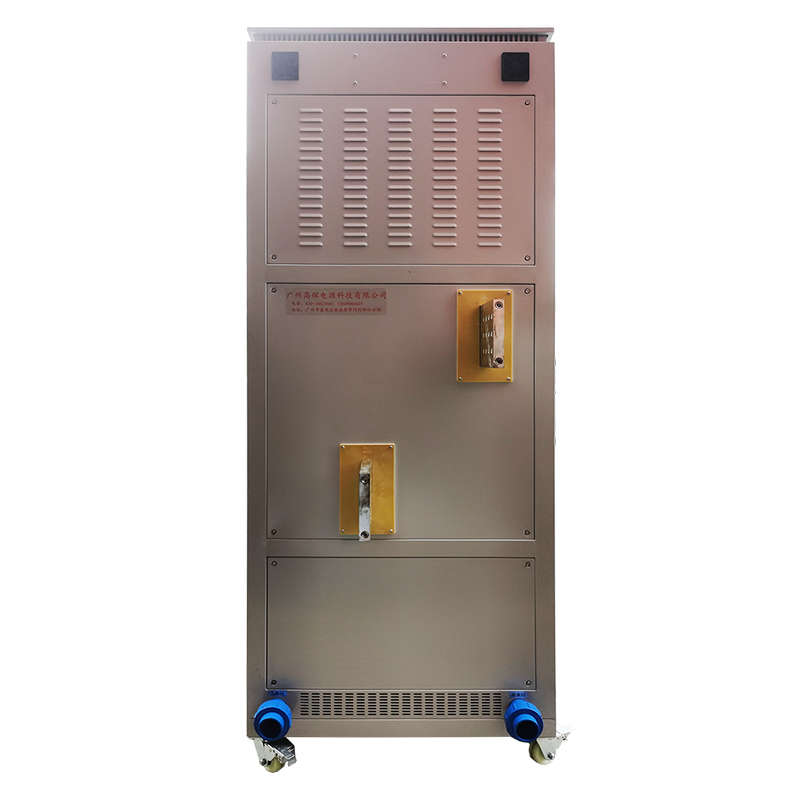
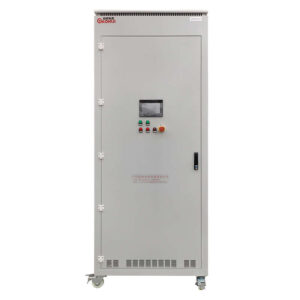
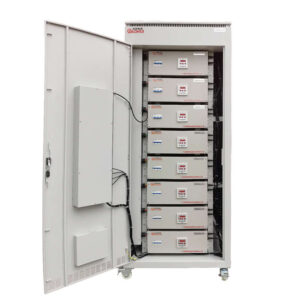
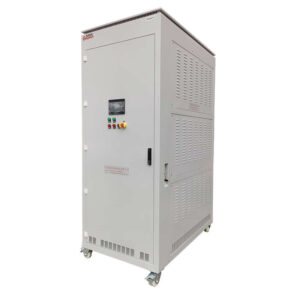
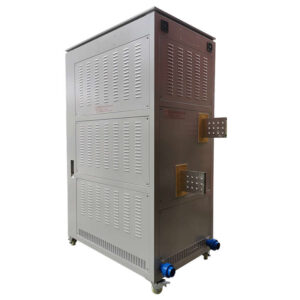
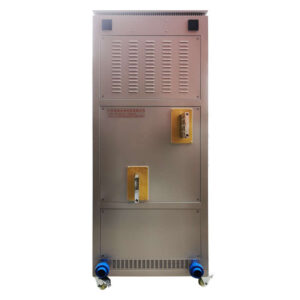
Introduction to Low-Voltage High-Current Rectifiers
Low-voltage high-current rectifiers are core power conversion equipment in the metal surface treatment industry, specifically designed for electrochemical processes such as electroplating, anodizing, and electropolishing. They accurately convert 380V/220V industrial frequency AC power into adjustable 0-36V DC power, focusing on stable high-current output to meet a wider range of surface treatment process requirements. They enable efficient, precise, and standardized metal surface modification, serving as a crucial link between electrical energy and process results.1. Core Technical Parameters and Process Adaptability
As N+1 parallel-connected low-voltage high-current rectifiers specifically designed for metal surface treatment, their parameter design is deeply matched to the continuous production needs of the industry. Core indicators can be flexibly customized and support modular expansion: the output voltage range is continuously adjustable from 0-36V, and the current per module covers 100A-5000A. Through N+1 parallel connection technology, the total current can be seamlessly expanded from 100A to 30000A, meeting both the precise low-current requirements of micro-plating for precision electronic components and the high voltage and current demands of large-scale steel galvanizing and thick-film anodizing; the overall conversion efficiency reaches over 93% at 50-80% load rate, with a power factor ≥0.95. Combined with parallel current sharing technology (current sharing accuracy ≤3%), it significantly reduces grid harmonic pollution and overall energy consumption costs, meeting the energy-saving needs of large-scale production lines. The equipment is optimally designed for different surface treatment processes, combining a wide voltage range of 0-36V with N+1 parallel redundancy to further enhance process adaptability and production stability: For decorative electroplating, it supports a soft-start function to prevent edge burning caused by surge currents, and multi-module parallel operation can handle the peak current demands of mass production; for precision electroplating, it supports high-frequency pulse output (20-50kHz), with current density accuracy reaching ±2mA/cm², meeting the high-precision requirements of PCB micro-hole copper plating and precious metal micro-plating. In case of a single module failure, the redundant module switches seamlessly, ensuring that plating accuracy is not affected; in hard anodizing and thick film anodizing processes, the 36V upper limit voltage meets the high film thickness growth requirements, and dedicated models feature stepped current control, completing current gradient adjustment within 30 seconds. The N+1 parallel mode ensures continuous operation for extended periods, significantly improving the hardness, density, and thickness uniformity of the oxide film, and avoiding process defects caused by equipment downtime.2. Typical Application Scenarios and Process Value
The equipment is widely adaptable to all types of metal surface treatment processes, providing customized power solutions for various industries. Core application scenarios include: 1、Electroplating processes: Covering scenarios such as bathroom hardware chrome plating, automotive wheel hub nickel plating, and electronic component gold and silver plating. In continuous strip steel galvanizing production lines, it can respond to changes in strip speed within 0.5 seconds, controlling the zinc layer thickness deviation within ±1.5g/m², supporting high-speed production at 180m/min; in precious metal electroplating scenarios, current stability reaches ±0.1%, and gold layer thickness fluctuation is <0.05μm, significantly reducing precious metal loss. – Anodizing: Designed specifically for hard anodizing and thick film anodizing of materials such as aluminum and titanium alloys, the 0-36V wide voltage range can accommodate different film thickness requirements of 50-150μm. The N+1 parallel connection mode provides a continuous and stable high current density of 100A/dm², resulting in an oxide film hardness of over 400HV. This is suitable for products with extremely high performance requirements, such as aerospace components and engineering machinery parts. Even if a single module fails, the redundant modules can switch over and compensate within milliseconds, maintaining stable process parameters without interruption. This shortens the anodizing time by 40% compared to traditional single-unit equipment, while reducing the process interruption rate to below 0.1%. 2、Electrolytic Polishing and Electrophoretic Coating: In electrolytic polishing, precise current control achieves microscopic surface leveling of the workpiece, improving surface finish. During electrophoretic coating, a stable electric field is provided to ensure uniform deposition of coating particles, enhancing coating adhesion and corrosion resistance. This is suitable for mass production needs of automotive parts, building profiles, etc.3. Core Competitive Advantages
Compared to traditional single-unit rectifier equipment, the N+1 parallel low-voltage high-current rectifier has multiple core advantages in metal surface treatment applications: 1. Precise temperature control and current distribution design: The temperature difference between components on the same bridge arm is <15℃, and the parallel current distribution accuracy is ≤3%, avoiding equipment failure caused by local overheating and uneven current distribution, extending the service life of single modules and the entire machine; 2. Stronger intelligence and connectivity: Supports MODBUS communication protocol and MES system integration, allowing remote monitoring of each module’s operating status, automatic adjustment of 0-36V voltage and current parameters, enabling full-process linkage of the production line, and real-time feedback of parallel module status for precise operation and maintenance; 3. Outstanding energy saving and environmental protection characteristics: The twelve-pulse rectification system reduces grid harmonic content from 30% to 8%, and synchronous rectification technology combined with parallel load balancing saves 15-30% energy compared to traditional models, meeting green production requirements; 4. The N+1 redundant parallel design is a core advantage, supporting online hot maintenance and seamless module switching. Single module maintenance does not require downtime, significantly reducing the risk of downtime in large-scale production and ensuring process continuity and product qualification rate.Honors and Qualifications
Since its inception, the company has embraced a market-oriented approach, with technological innovation at the core of its development. Through continuous advancements in research and technology, the company has earned numerous certifications, including software copyrights, software product certifications, patents, and CE certification. Moreover, the company has been recognized as a national high-tech enterprise, ranked among China’s top ten power supply brands, and designated as a technology-based SME. The company’s innovative, independently developed products have gained widespread market acceptance. As a result, these domestic solutions are gradually replacing imported alternatives, reflecting the company’s increasing competitiveness and technological self-reliance.
Gao Hui Power Factory Showcase


Reviews
There are no reviews yet.